
Until just a few years ago, Nan Khan Raim never imagined herself sitting in a village meeting, let alone speaking up, managing funds, or helping guide major community projects.
At 33, she juggles life as a farmer, a wife, and a mother of three in Ham Phoe Pay village. Her family grows corn, pigeon peas, rice, garlic, peanuts, and sesame, or whatever the market can support that year. Their annual income used to be around 3 million MMK ($639). It was enough to get by, but barely.
Back then, women were expected to stay quietly in the background. Village meetings weren’t places where women’s voices were heard. Nan remembers watching from the sidelines, full of ideas but unsure she would ever have the chance to share them.
“In the past, I didn’t understand that women should be involved in village development. At times, I wished to join and voice my opinions.”
Everything shifted when Shanta Village Partners began working with the village. A core part of our Village Partnership Model is strengthening women’s leadership: ensuring women have real seats at the table and the tools to confidently participate in decision-making.
When Shanta required the community to add women to their committees, Nan finally had the opportunity she had long hoped for. She was invited to join the construction committee, her first step into village leadership.
That single invitation opened the door to a new chapter. Soon, Nan was:
• helping manage the village development fund
• keeping records for the women’s savings group
• leading small-group discussions on women’s health
• auditing construction accounts and reviewing financial records
For a woman who had never been included in these spaces, this was transformative. It was also exactly what Shanta’s model is designed to do: equip women with the confidence, skills, and respect needed to become active leaders in their communities.
Nan’s husband hesitated at first, but she continued forward with quiet determination. And with each new responsibility, her confidence grew.
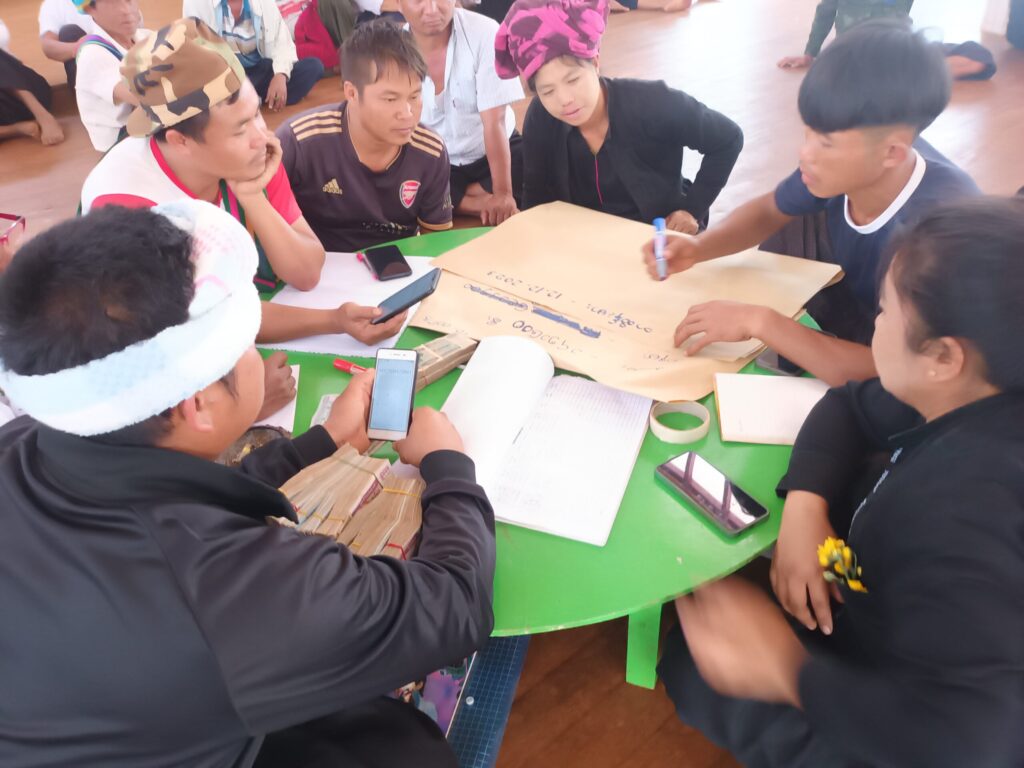
Nan didn’t just use her new skills for village work; she brought them home. Taking the lead on family finances allowed her household income to rise dramatically: from 3 million MMK ($639) to about 10 million MMK ($2,127) per year.
Nan has become a powerful advocate for women’s participation. She urges men to stand beside their wives, not in their way.
“Men, it’s vital to empower your wives with opportunities and trust,” she said. “They manage the household and balance many responsibilities. If illness strikes or you’re unable to work, remember that your wife may step in to lead. So, support your wives, and grant them the chance to grow and thrive alongside you.”
As Nan stepped further into leadership, the community took notice. She earned trust, respect, and a deeper sense of purpose.
“Now that I can handle accounts and finance, I feel proud of myself,” she said. “I also feel confident speaking and making requests in front of others. If the village head or a youth leader assigns me a task, I am satisfied, and it builds my inspiration to contribute even more to the community.”
Her voice is one of many rising in partner villages where women’s leadership is expanding. This shift isn’t accidental; it’s part of the structured, intentional approach Shanta brings to communities: creating opportunities, building skills, and encouraging women to embrace their full potential. Nan’s heart is with the village. The work inspires her. It strengthens her. And she hopes her children will one day learn the same joy of contributing to others.
“Sharing my knowledge and skills with others allows me to see life as meaningful.”