
For Nang Win Kyi, childbirth was once filled with fear, uncertainty, and financial strain. Today, it tells a different story; one of preparation, partnership, and confidence made possible through community-led health education and shared responsibility.
Nang Win Kyi is a 30-year-old mother of two from Myauk Hti Bwar Village. She and her husband support their family through upland farming, tea picking, and chili cultivation. During her first pregnancy, however, limited health knowledge and no financial planning left them unprepared. Her husband was working far from home, they had no savings, and she received no regular antenatal check-ups, vaccinations, or nutritional supplements.
When severe abdominal pain lasted three days, her husband rushed home and took her to the hospital with only a small amount of cash and money borrowed from her parents.
“I was terrified,” Nang Win Kyi recalled. “We didn’t know if the money we had would be enough, and everything felt rushed and chaotic. Even after my baby was born, I kept worrying about how we would pay the hospital fees.”
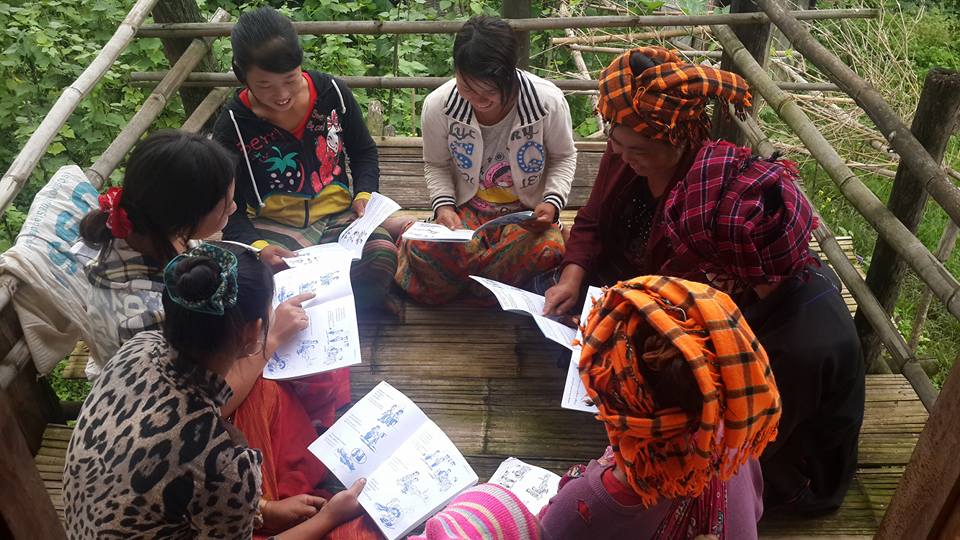
A turning point came during the 2024 rainy season, when Nang Win Kyi attended a village-level safe motherhood awareness session led by trained Village Health Educators through Shanta’s community health programming. Through small-group discussions, women reflected on their experiences and learned about antenatal care, shared decision-making, and the importance of saving in advance for childbirth. At the time, she was one month pregnant with her second child.
This time, things were different. Nang Win Kyi and her husband began planning together, carefully saving income from farming and seasonal work. They set aside 3,100,000 kyats (approximately $795) and invested part in gold to protect its value.
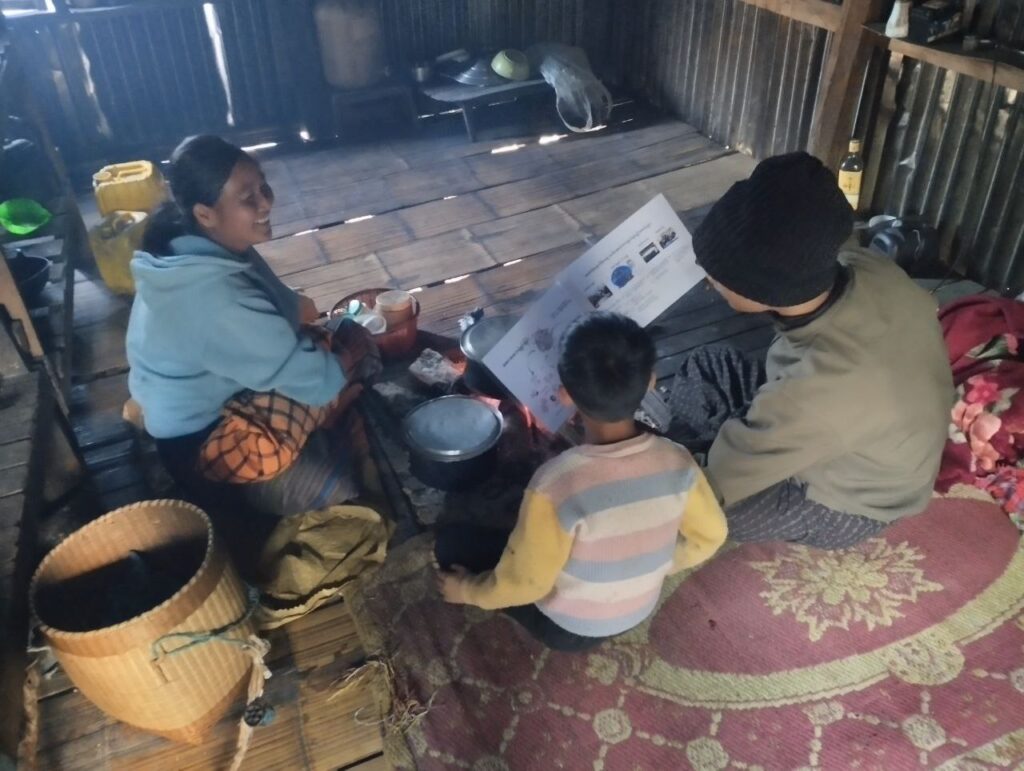
Her husband became deeply involved, reducing her workload, accompanying her to antenatal check-ups, and making sure vaccinations and ultrasounds were completed on time. He went from distant breadwinner to hands-on partner, learning about prenatal care right alongside her and proudly keeping track of appointments.
When it came time to give birth, Nang Win Kyi arrived at the township hospital prepared, confident, and financially secure. She avoided prolonged labor pain, received respectful care, and benefited from three ultrasound examinations that helped her understand her baby’s condition. Both mother and child were healthy, and for the first time, childbirth felt calm and positive.
With a clearer understanding of their responsibilities and resources, Nang Win Kyi and her husband also made a joint decision to limit their family size to two children, approaching family planning with the same teamwork they had brought to pregnancy. For this family, safe motherhood now means not only a healthy delivery, but informed choices, shared responsibility, and a future they are building together.