
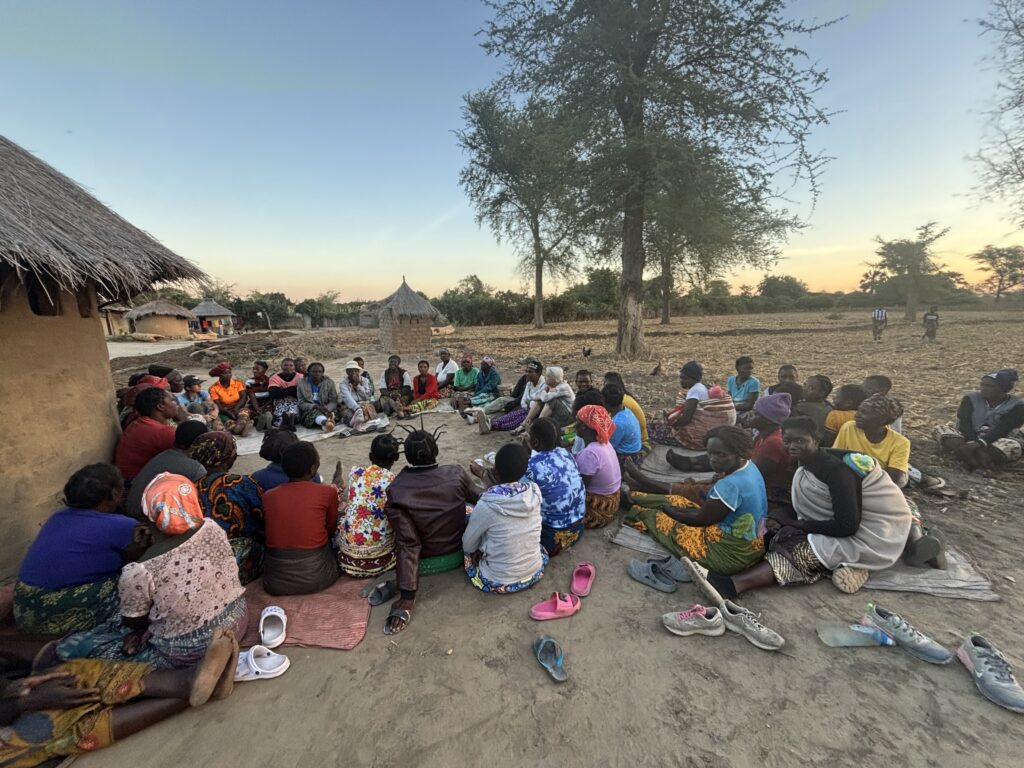
Women’s Group Discussion Meeting
We have an exciting update from our Zambian partner villages!
This spring, we are launching a new women’s empowerment program: Women’s Group Discussions (WGD). In our 4 Zambian partner villages, women will be trained to lead small group discussions in their villages. The discussion topics will range from reproductive health to financial literacy. They serve to increase access to important information AND provide a safe space for women to discuss their needs. We see WGD as a powerful platform for women to use their voice and better their lives.
Why is there a need for WGDs?
Navigating life in extreme poverty is hard beyond words for everyone, but women often face more barriers to success than men. In most households, women are not only responsible for raising children and taking care of their homes, but they are also primary breadwinners. Tending to gardens and selling crops are responsibilities shouldered by women. Their lives revolve around taking care of others while generating also generating a major source of income. Additionally, women often have lower levels of educational attainments than men. Most don’t complete primary school. Sometimes teen pregnancy leaves young girls with no choice but to drop out, other times girls choose to drop out so they can spend more time helping at home. All these factors in combination with the cultural stigma around what women are capable of create major barriers for personal empowerment.
WGDs are a tool to equip women with knowledge to improve their well-being and find a community of support. By participating in a small group discussion, women can share their experiences with their peers. They can learn new concepts and skills without judgement. Over time, we hope participating in these discussions helps women grow in their self-esteem and empowers them to be leaders in their community’s development.
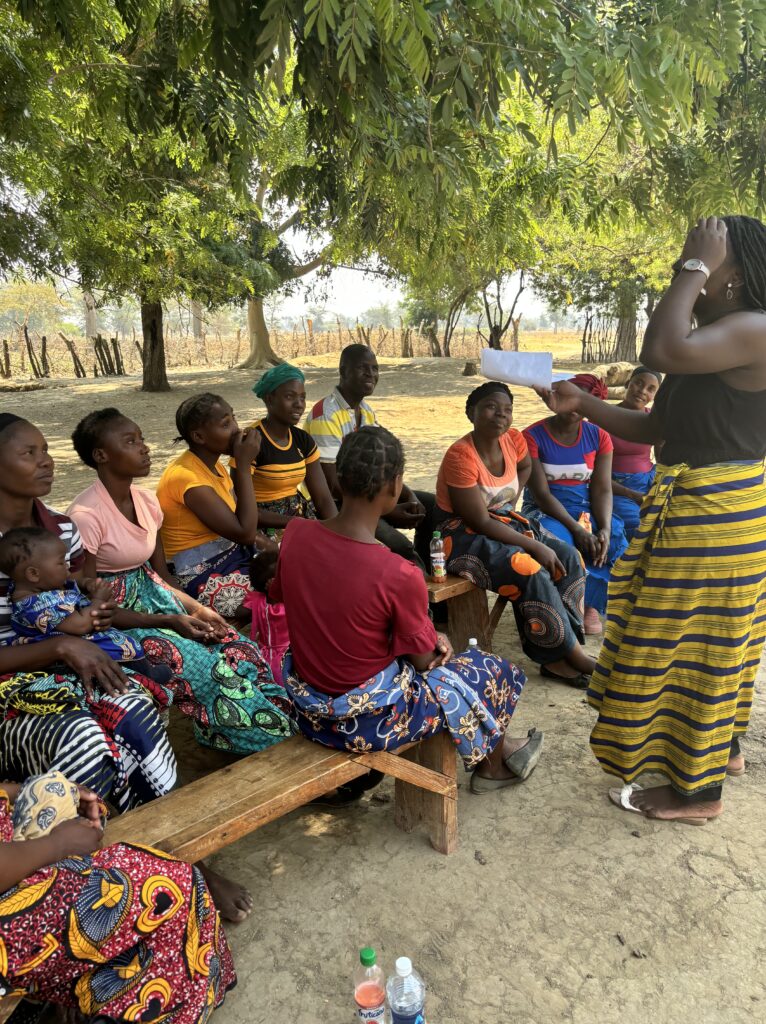
How exactly do WGDs work?
In each village, People’s Action Forum will train four women who have volunteered to be WGD leaders. This training will equip them to effectively lead group discussions and be able to respond to their group’s needs and interests. Part of this training will involve connecting WGD leaders with community and government stakeholders, like nurses from the local clinic. These outside resources can act as an additional source of support and information. Over our 6-year partnerships, WGD leaders will focus on the following topics:
• Women in leadership
• Reproductive Health
• Financial Literacy
• Women’s Rights
• Climate Change Adaptation and Mitigation
After training is completed, WGD leaders will regularly meet with groups of up to 12 women to discuss topics and answer questions. These small group settings help to facilitate meaningful discussion and foster supportive relationships. People’s Action Forum will monitor WGDs progress and respond to the needs and interests of women in the community.
Long term, is this program sustainable?
Yes! By directly connecting discussion leaders with outside stakeholders, we hope to build long-term partnerships. Additionally, as these groups progress, we will support participants in the creation of a Women and Girls Committee for their village. This committee would collaborate with the Village Development Team to ensure the needs of women are being considered and prioritized throughout the process of community development.
We’re excited to launch Women’s Group Discussions in Siyowi, Nachili, Kabanje, and Mpasu villages in the coming months and will update you on how this program progresses! We at Shanta believe Women’s empowerment is essential to truly sustainable development.
WGDs are a tool to equip women with knowledge to improve their well-being and find a community of support. By participating in a small group discussion, women can share their experiences with their peers. They can learn new concepts and skills without judgement. Over time, we hope participating in these discussions helps women grow in their self-esteem and empowers them to be leaders in their community’s development.
-Written by Stella Potemkin