
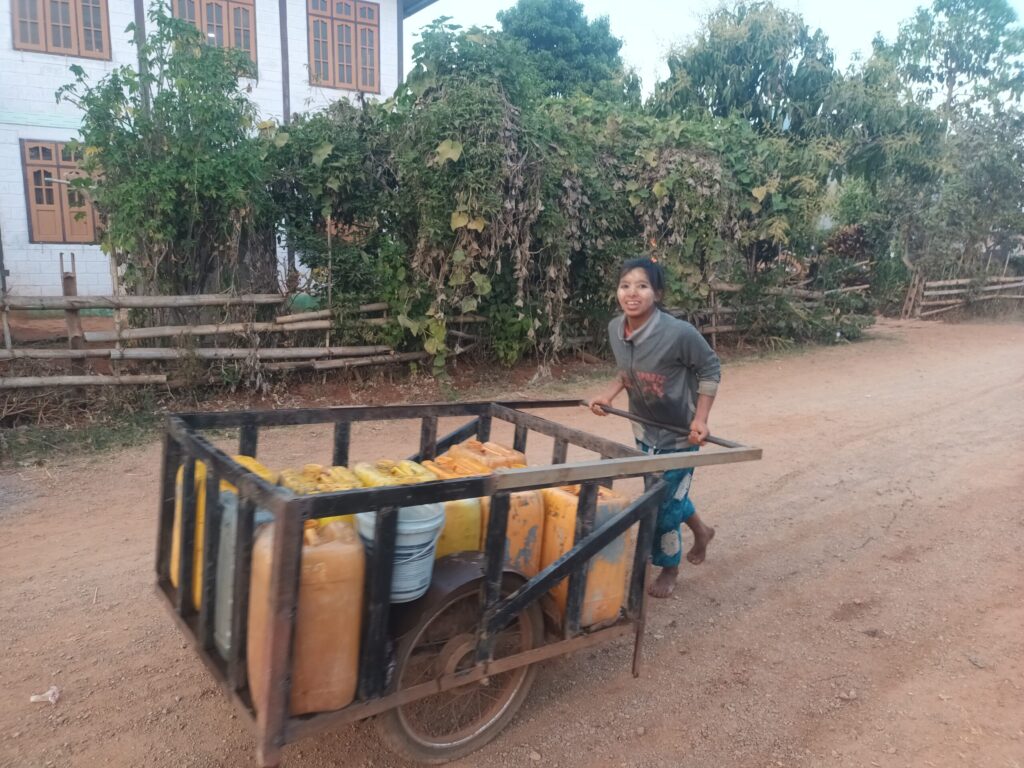
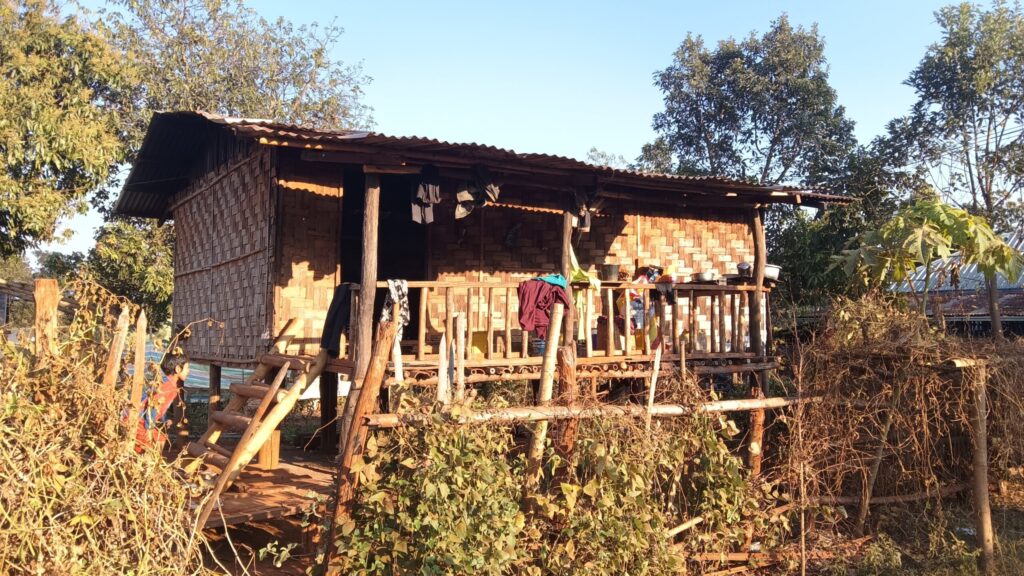
In the hills of southern Shan State, Myanmar, the village of Nawng Ker Kei is home to 80 households from the Pa-O ethnic community. Like many rural villages in the region, families work hard each day to support themselves, yet opportunities remain limited. Nearly 87% of villagers rely on daily wage labor, often traveling to nearby townships to find work and earning about 15,000 kyats per day.
Despite these challenges, Nawng Ker Kei is a community with a strong foundation. The village has a primary school serving the community, reflecting families’ commitment to education and opportunity for the next generation. However, many parents depend on irregular daily wages, making it difficult to support their children’s education beyond the middle school level.
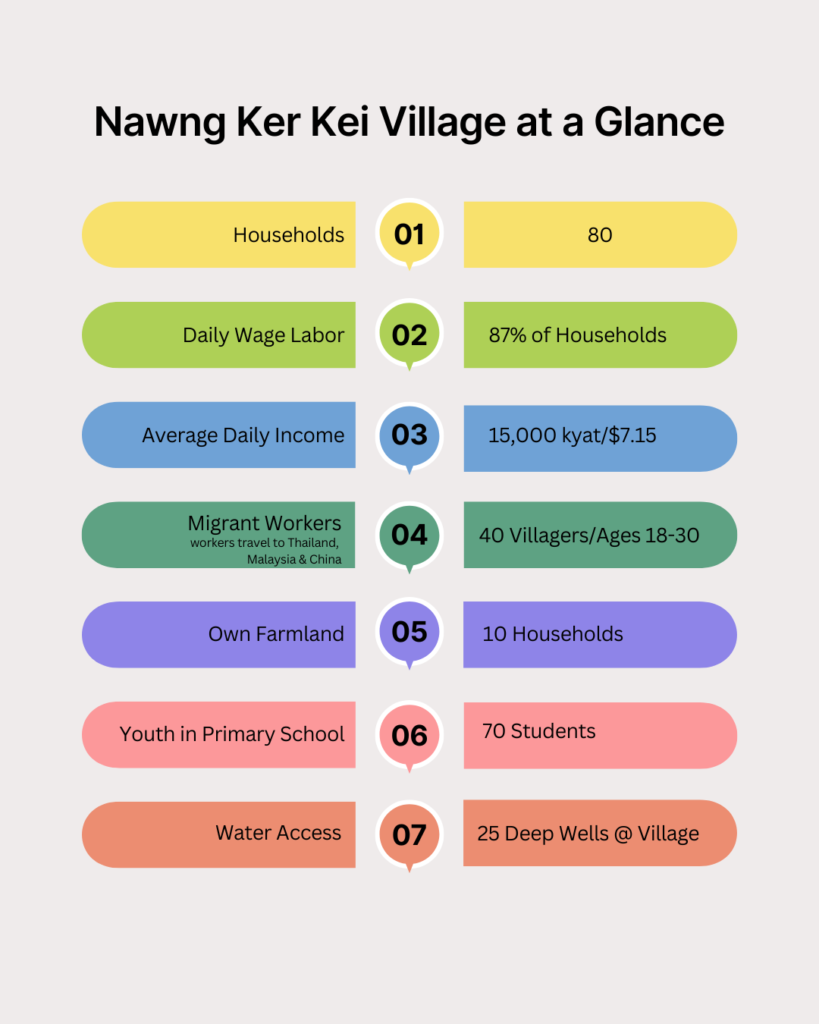
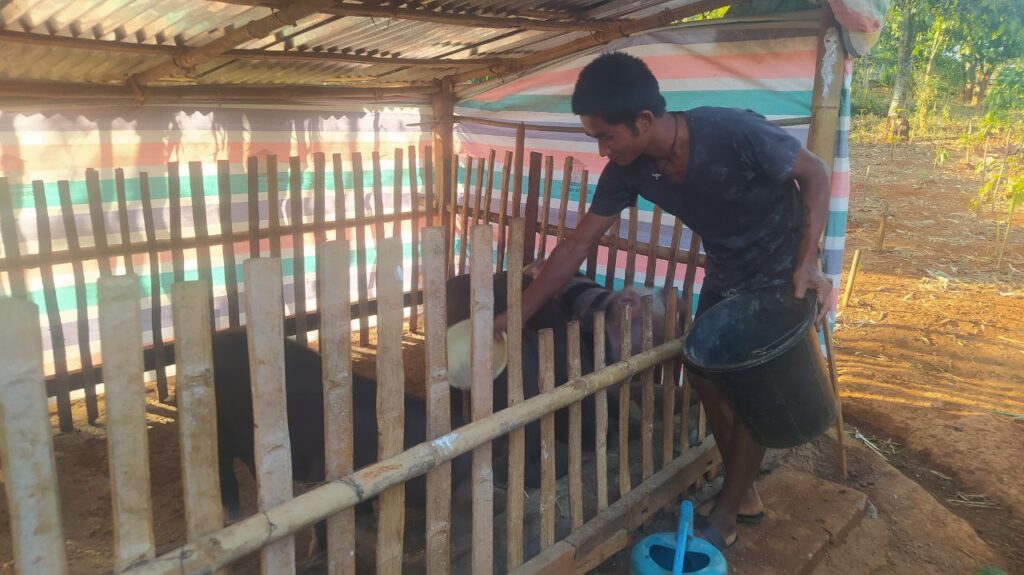
Economic opportunities within the village remain limited. Few households farm their own land, while others rent small plots or work as laborers. As a result, many young people leave the village in search of work. While migration helps families survive, it also means that many communities lose young leaders and workers who might otherwise help strengthen the village’s future.
Even with these challenges, Nawng Ker Kei has shown a strong willingness to work together to improve community life. Villagers have organized labor and resources to construct improvements such as a monastery hall and a school extension building, demonstrating a shared commitment to development when opportunities arise.
Financial resources within the village, however, remain fragile. A village reserve fund that once held a healthy amount has dwindled, leaving little capital available for future development. Currently, the only local financial system is a small women’s savings group that provides limited loans to families for agriculture, household needs, and other mandatory expenses.
Despite these constraints, the people of Nawng Ker Kei are eager to move forward. When interviewed by our field team, village leaders and residents expressed strong interest in partnering with Shanta Village Partners to begin a long-term village development partnership. They recognize that with leadership training, community-managed loan funds, and expanded livelihood opportunities, they can build a stronger and more stable future within their own community.
Through Shanta Village Partners’ six-year Village Partnership Model, villages like Nawng Ker Kei work to strengthen leadership, establish community capital through savings and loan systems, and expand opportunities for education, health, and livelihoods. The goal is not short-term aid, but long-term independence and resilience.
We are currently seeking a village sponsor for Nawng Ker Kei.
Sponsoring a village is a six-year commitment of $25,000 per year, supporting the full implementation of this community-led development model. Sponsors receive updates on the village’s progress, allowing them to follow the transformation as the community builds its own path out of extreme poverty.
Nawng Ker Kei has already shown the determination to work together and invest in its future. With the right partnership, this village can transform limited opportunities into lasting progress for generations to come
If you are interested in learning more about sponsoring this village or exploring how a group might partner together, we would be happy to discuss options. Please reach out to learn more or to ask any questions about this opportunity!