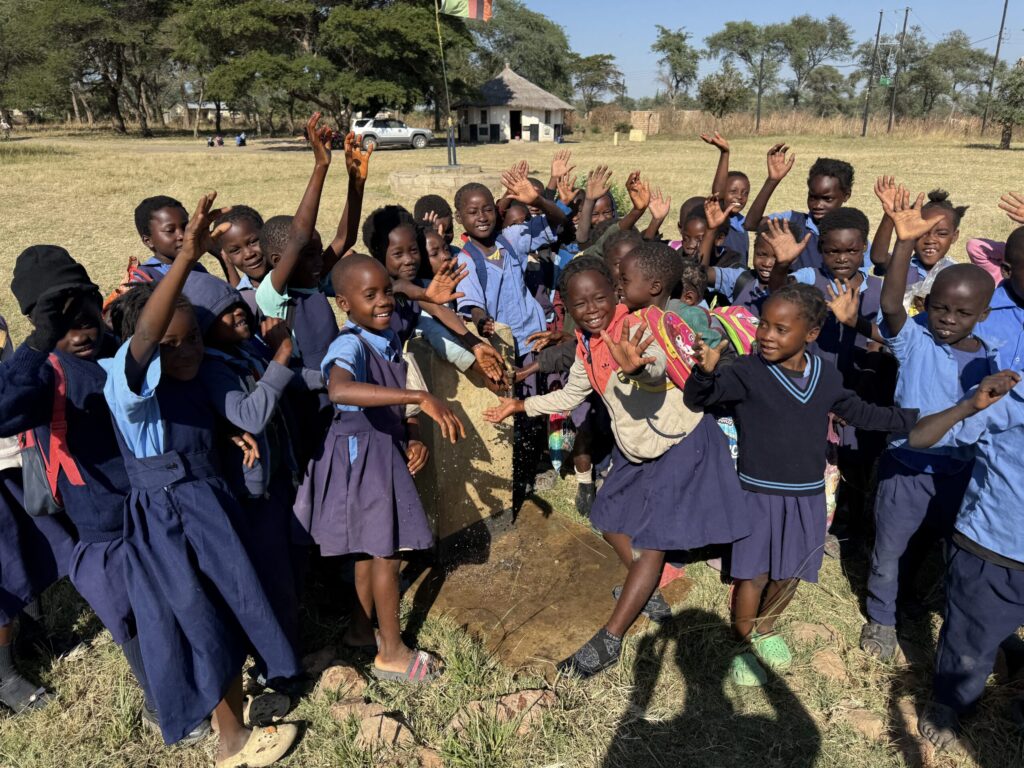
When donors invest in Shanta Village Partners, they aren’t funding a water project; they’re funding a transformation. This past year in the Siyowi region outside of Mazabuka, Zambia, that distinction came into sharp, joyful focus. With the generous support of VAP, PAF, High Noon Rotary, and our dedicated individual donors, Shanta Village Partners completed one of its most ambitious undertakings to date: the design, construction, and community handoff of five fully operational water systems across five villages. It was, by every measure, a monumental success.
What made this effort extraordinary wasn’t just its scale; it was its philosophy. These aren’t water projects that Shanta Village Partners built for communities. They are water utilities that communities built for themselves, with Shanta Village Partners serving as coach and catalyst. Villagers hand-dug nearly twelve miles of two-foot-deep trench to lay their own pipes. They showed up. They sweated. They invested. And now they own what they built. Each system operates with a formal user-fee structure, with payments collected and deposited in a real bank account — a deliberate safeguard against the perception or reality of mismanagement. Late fees are enforced. As a result, when something breaks, the community has the funds and the trained capacity to fix it themselves. This is sustainable development in its truest form: not aid dependency, but community-owned infrastructure governed by the people it serves.
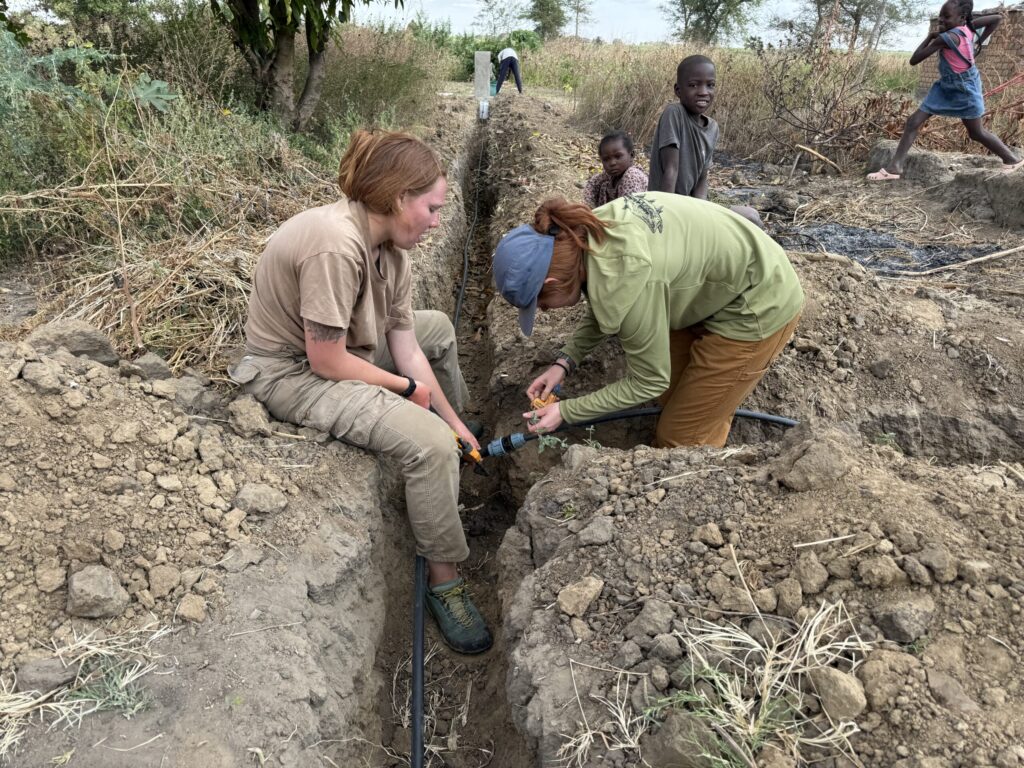
None of this happens without a remarkable coalition of partners. A special word must be said about VAP, the Village Aid Project. Without their engineering expertise, tireless fundraising, and incredible passion for this work, this dream would never have been realized. Over 30 faculty and students from Fort Lewis College traveled to Zambia to coach and lead villagers through every phase of the project, bringing world-class knowledge and genuine heart to some of the most remote communities on earth. PAF and High Noon Rotary added critical institutional support, and our individual donors brought the personal belief that people in rural Zambian villages deserve clean water and the dignity of owning their own future. Together, this coalition made possible what I like to call the core truth of this work: the people are the project. When we see communities embracing the discipline of user fees, the pride of self-repair, and the joy of a working tap, we know something has shifted permanently. Thank you for being part of it.