
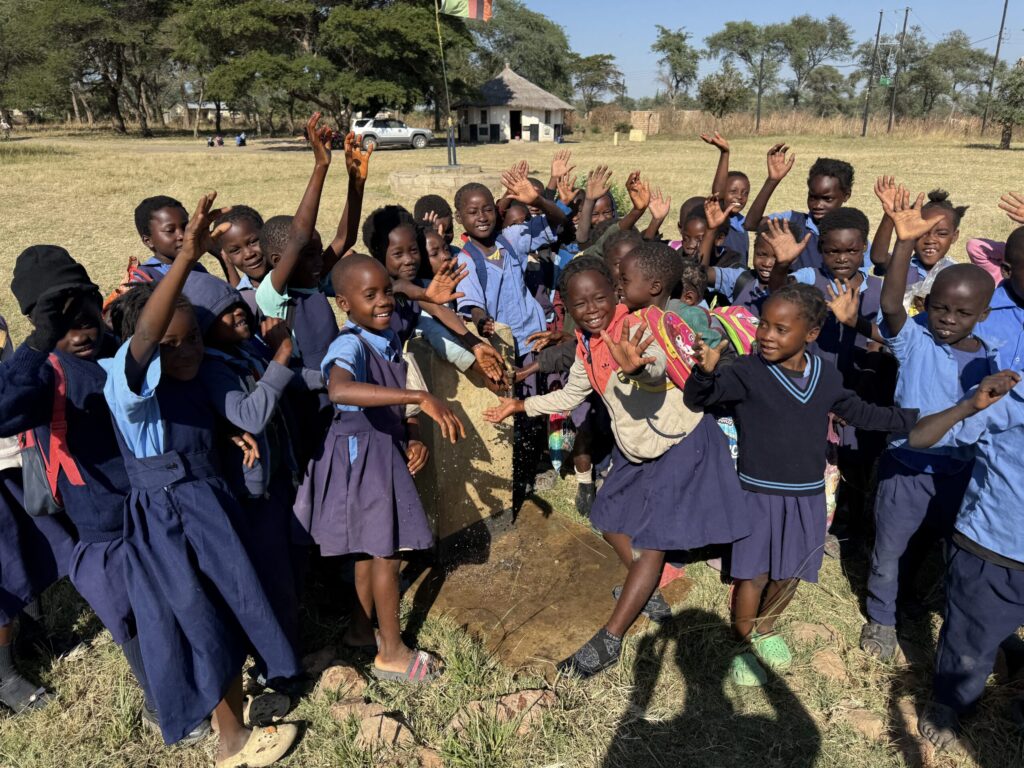
Just a few years ago, accessing clean water was one of the greatest challenges facing families in the Siyowi District of Zambia. Every day, women and children walked long distances to collect water from shallow, contaminated wells. The journey consumed valuable hours that could have been spent farming, earning an income, or attending school. Waterborne diseases such as diarrhea were common, children frequently missed classes, and the local health post struggled to keep up with preventable illnesses.
Through a partnership between the Siyowi community, Shanta Village Partners, and the Village Aid Project (VAP) from Fort Lewis College, reliable piped water systems began operating in 2024. Initially serving 43 households across Nachili and Siyowi villages, the system has since expanded to provide safe water to the Siyowi “Campus” which includes the school, teacher housing, and the health clinic, ensuring that students, teachers, patients, and families have dependable access to clean water every day.
The impact will be immediate and far-reaching. Nearly 70% of households report saving significant time every day, an average of 30 minutes, with some families saving as much as 90 minutes daily. Instead of spending hours collecting water, families are investing that time where it matters most: tending gardens, caring for children, earning additional income, and ensuring children attend school consistently.
“We now have enough time to do other things because we no longer spend so much time fetching water.”
Trust Nachili, Village Development Team Chairperson
That extra time is creating new opportunities. Tandiwe Mwiinga, a mother and farmer, now spends more time tending her vegetable garden.
“Because I spend less time fetching water, I can work longer in my garden. My harvest has improved, and we earn more money from selling vegetables. Our family’s life has improved.”
Tandiwe Mwiinga, Mother and farmer, Nachili
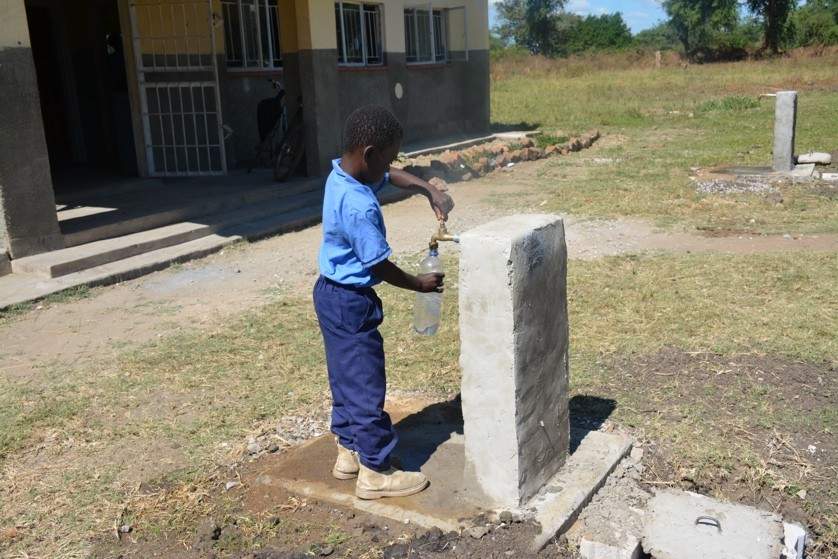
Filling Bottle with Safe Drinking Water at School
HEALTH & WELLBEING
The benefits extend well beyond household productivity. More than half of surveyed households report improved family health, while over half also report better hygiene and cleanliness, including more frequent bathing, cleaner cooking utensils, and healthier home environments.
THE HEALTH NUMBERS
Clinic data confirms what families are experiencing. At Siyowi Health Post, the incidence of diarrhea has fallen dramatically, from 27 cases per 1,000 people in 2023 to just 4 per 1,000 by early 2026. Dysentery cases dropped from 21 to just 1, while skin infections fell from 101 to just 24.
Water quality testing confirms that the system consistently delivers safe drinking water. Health workers report that the few remaining water-related illnesses are largely associated with people who continue using contaminated wells outside the project’s service area.
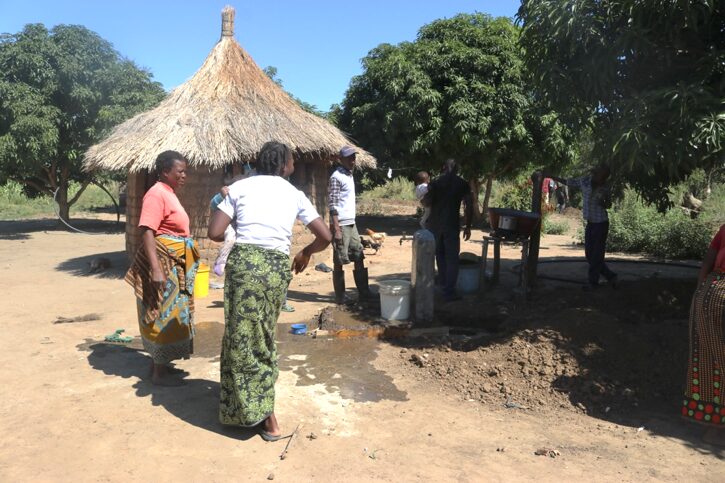
For Shanta Village Partners, this is about much more than installing water infrastructure. Safe water creates the conditions for healthier families, stronger livelihoods, better education, and greater dignity. It enables communities to spend less time surviving and more time building the future they envision for themselves.
The Siyowi community is demonstrating what becomes possible when local leadership is combined with long-term partnership and community ownership. Together, they are creating lasting change that extends far beyond access to clean water.
For donors, this investment is producing measurable results: healthier children, stronger families, increased economic opportunity, and a community better equipped to shape its own future.