
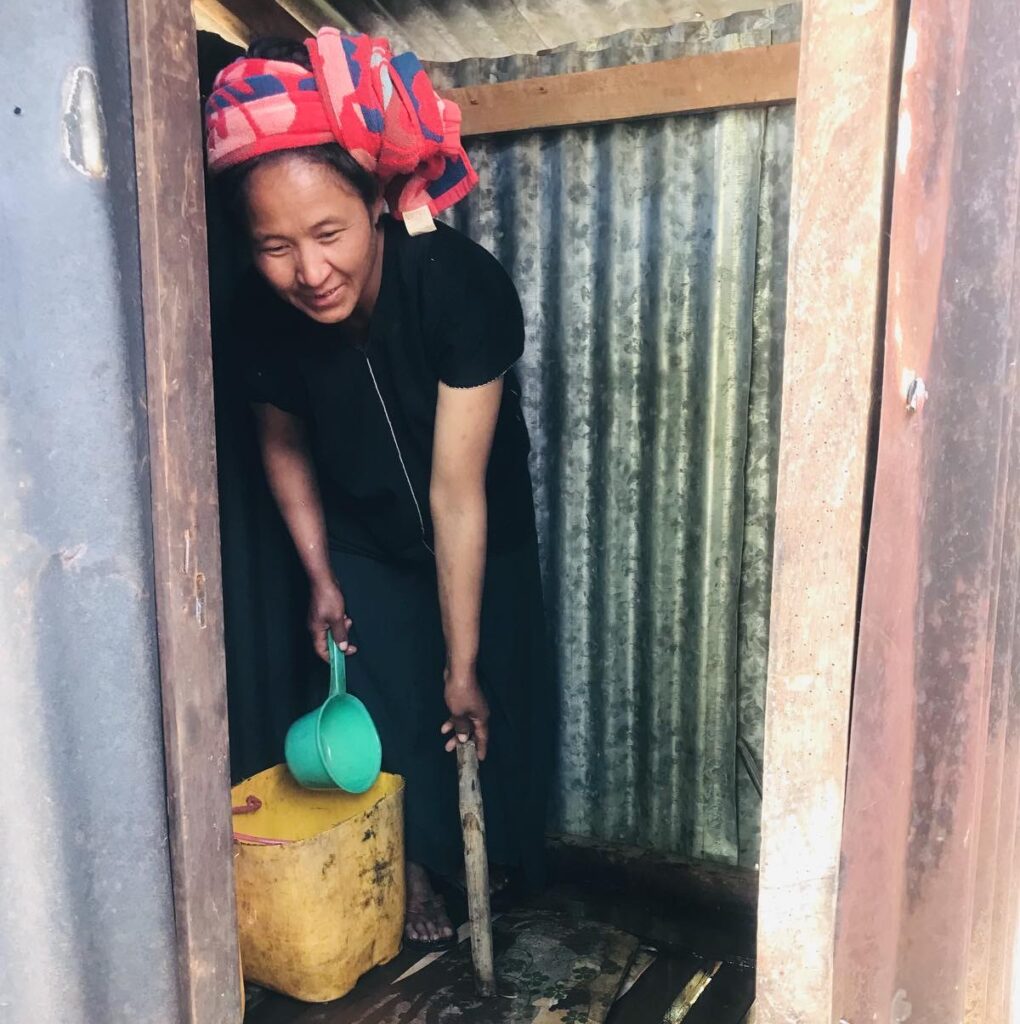
In a small village in Myanmar’s Southern Shan State, one woman’s journey from daily worry to quiet confidence is reshaping what health looks like for her family and her neighbors.
Lwe Saung Village sits more than 54 miles from the nearest large town and is home to just 61 households. For Daw Nyein, a 38-year-old mother of two, illness felt inevitable. Fevers. Skin rashes. Malaria. One family member was eventually diagnosed with kidney stones.
She didn’t yet know that the water she was drinking, collected after a 30-minute walk, unfiltered and unboiled, was part of the problem.
“I Didn’t Know What I Didn’t Know”
Before participating in women’s health discussion sessions organized in her village, Daw Nyein was navigating health decisions with significant gaps, not from lack of care, but lack of access.
Mosquitoes bred around a poorly maintained pit latrine, bringing recurring malaria and skin problems. When her first child developed a fever after a routine vaccination, her husband grew afraid and the family paused the immunization schedule. Without full vaccinations, the children later experienced recurring fevers, skin rashes, and measles.
These weren’t failures of parenting. They were the result of making decisions without the right information.
Trained village health educators organized six structured women’s discussion sessions covering child nutrition, reproductive health, hygiene, sanitation, and disease prevention. Daw Nyein attended every one.
She began filtering and boiling drinking water, using mosquito nets, and replaced the old pit latrine with a pour-flush toilet. She came to understand immunization and ensured her second child received every vaccine on schedule. The results were quickly obvious and such a relief to Daw Nyein.
“After attending the health discussion sessions, illnesses in our family have truly decreased. By filtering and boiling drinking water and keeping the toilet and surroundings clean, staying at home has become more comfortable and peaceful. I no longer worry as much about what to do when the children get sick.”
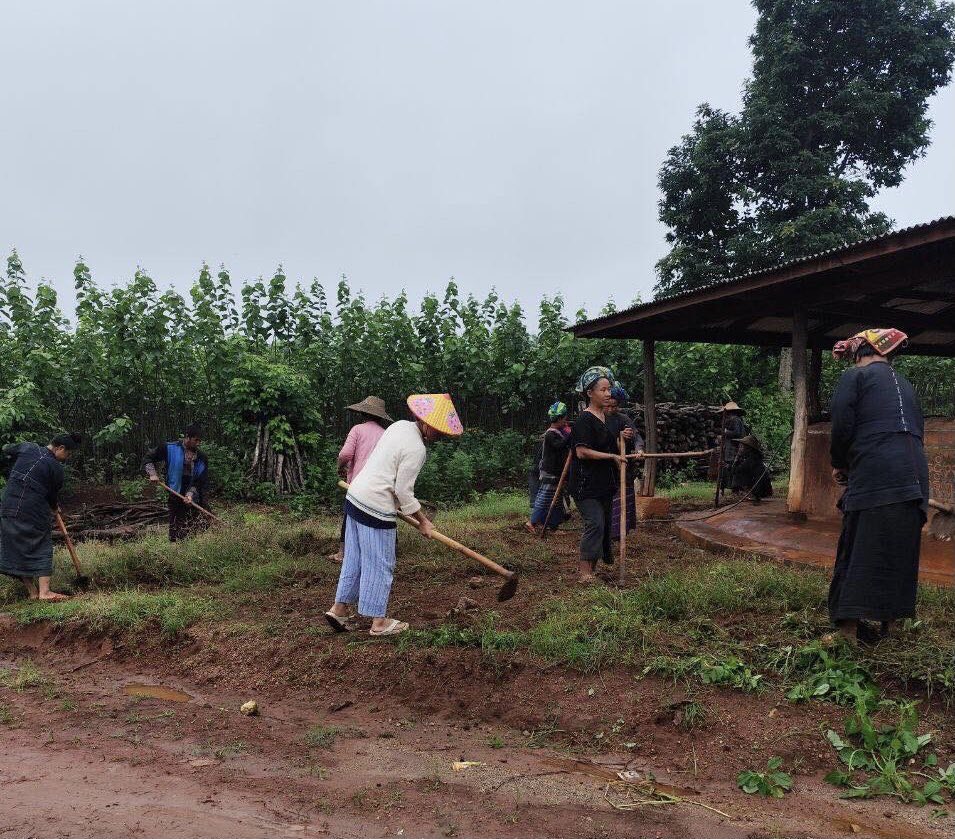
Daw Nyein didn’t keep what she learned to herself. She began sharing with neighbors and became a trusted voice in the village, someone others turned to when questions arose about their own families’ health.
“When the health committee members and teachers are regularly present in the village, we feel supported and can trust them. As I have learned more about health, I now have confidence in my ability to protect my family. Therefore, I hope that these kinds of health education sessions will continue and increase.”
In villages like Lwe Saung, where the nearest large town is an hour away, that kind of presence, and the confidence it builds, is everything.